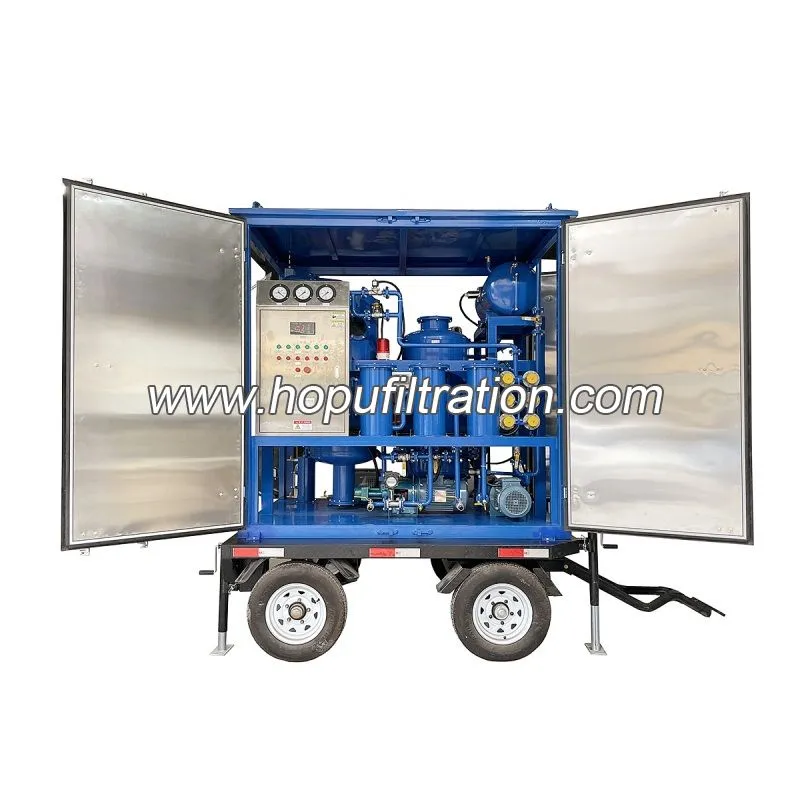
The market for Transformer Dry Air Generators (TDAGs) is experiencing significant transformations, driven by a growing need for reliable power supply and efficient moisture control. Key pain points for businesses include equipment downtime due to humidity-related failures and rising energy costs linked to traditional air generation methods. The solution lies in advanced TDAG technologies that integrate innovative moisture control systems and energy-efficient designs. For instance, the HOPU Transformer Dry Air Generators have proven to enhance operational efficiency in substations, enabling seamless performance even in high-humidity environments.
Key Drivers and Innovations in Transformer Dry Air Generators
The demand for Transformer Dry Air Generators is primarily fueled by the transition towards greener technologies and increased reliability in electrical infrastructure. Innovations in humidity control mechanisms, such as the incorporation of advanced desiccants that can absorb up to 90% of moisture from the air, are revolutionizing the market. Additionally, energy-efficient operational models with reduced power consumption, achieving a 30% decrease in energy costs, further drive adoption. A report from the International Energy Agency (IEA) supports these findings, highlighting that energy-efficient technologies could cut emissions in the power sector by 70% by 2050.
Emerging Trends in Transformer Dry Air Generator Technology
Several emerging trends are shaping the future of Transformer Dry Air Generators:
- Smart Automation: The integration of IoT technologies allows for real-time monitoring and maintenance scheduling, reducing unforeseen downtime by at least 25%. Concerning HOPU, their TDAGs now feature smart controls that optimize moisture levels automatically.
- Modular Designs: Companies are increasingly adopting modular systems that can scale based on demand, offering flexibility and reducing installation costs by approximately 15% compared to traditional fixed systems.
- Green Materials: The push for sustainability has led manufacturers to explore biodegradable and recyclable materials for construction, aligning with the findings from the 2022 Sustainability in Energy report, which indicates that sustainable technology usage is set to rise by 40% within the next decade.
Impact on Buyers of Transformer Dry Air Generators
The advancements in Transformer Dry Air Generators significantly impact buyers, offering benefits such as reduced operating costs, improved equipment longevity, and enhanced environmental compliance. Buyers can expect a measurable return on investment (ROI), with reported reductions in energy consumption leading to savings that can amount to thousands of dollars annually. Moreover, the reliability of these systems supports uninterrupted operations, crucial for industries that cannot afford downtime.
Practical Suggestions for Adopting Transformer Dry Air Generators
For businesses considering the transition to Transformer Dry Air Generators, the following practical suggestions can enhance implementation success:
- Conduct a Humidity Assessment: Evaluate the specific moisture challenges within your facility to identify the right TDAG configuration.
- Plan for Modular Integration: Opt for systems that allow modular scalability, ensuring future expansions do not require extensive reconfiguration.
- Invest in Smart Solutions: Choose TDAGs that offer smart automation features to facilitate proactive maintenance and real-time performance evaluation, thus optimizing efficiency and minimizing costs.
Overall, keeping abreast of the trends in Transformer Dry Air Generators technology, including advancements in smart automation and sustainable practices, will empower businesses to make informed decisions. This strategic adoption will not only resolve immediate pain points but will also pave the way for long-term operational success, solidifying the position of brands like HOPU in a competitive marketplace.